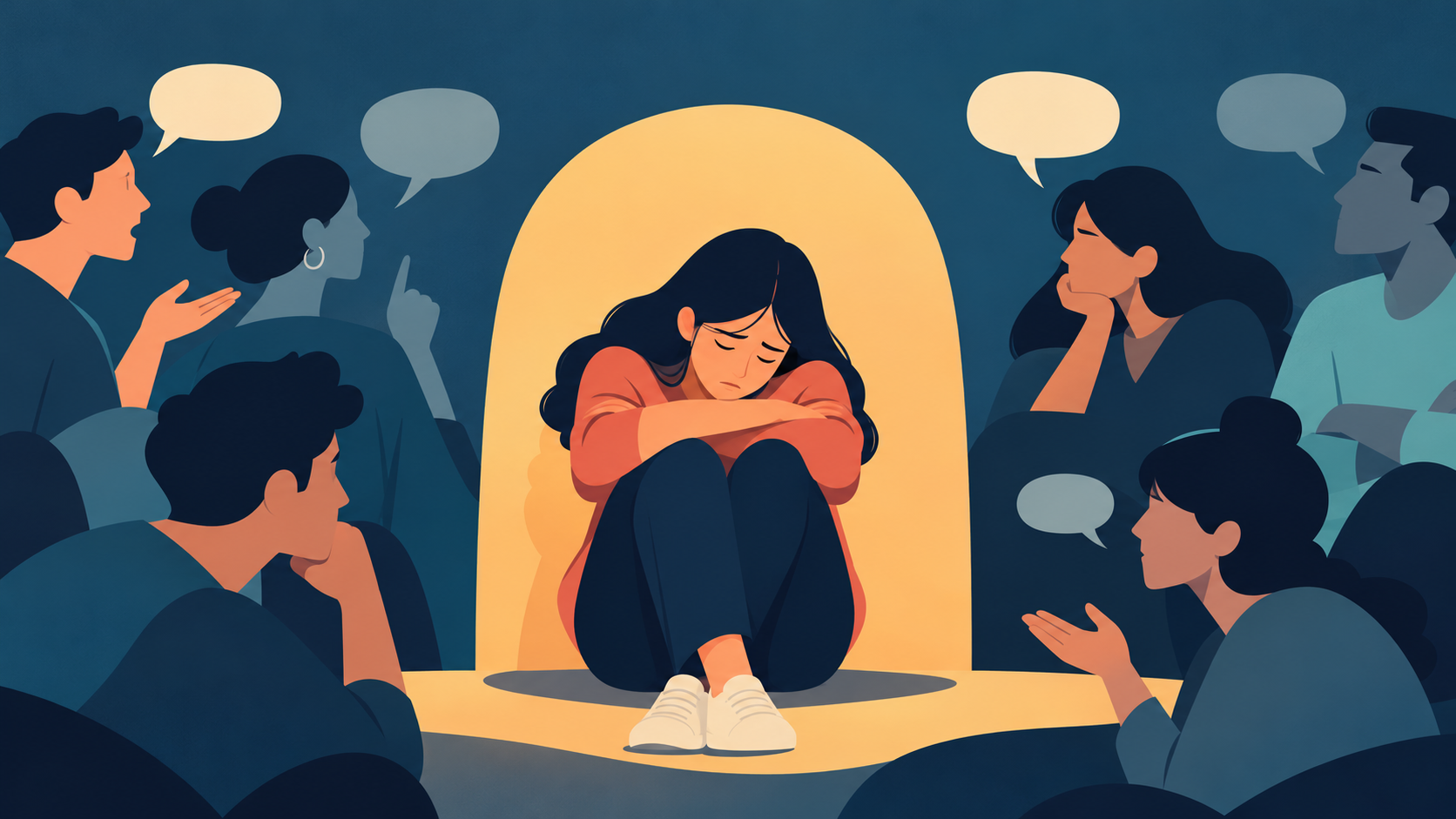

Don't wait for the breakdown
Emotional well-being isn't something we fix when we break. It's something we practise every day.
We have become experts at carrying pressure. Work, family, money, relationships, expectations: the list keeps growing. We carry it to the office, bring it home, and sometimes take it to bed. The next morning, we wake up and start all over again.
But where does all that emotional pressure go?
Emotions don't disappear simply because we don't talk about them. Irritation, disappointment, resentment, an argument left unresolved, or a fear we never acknowledged can quietly accumulate. Then something small happens, and we explode. Everyone sees the reaction; few see the pressure that came before it.
What looks like a sudden outburst may be an old emotion finally finding an exit.
We are often told not to cry, not to get angry, to be strong, adjust and move on. Over time, we can confuse controlling our emotions with suppressing them. But managing an emotion begins with recognising it: “I'm overwhelmed.” “This is bothering me.” “I need some space.” “I need to talk.”
Sometimes, the next step is a walk, a conversation, writing down what we feel, getting proper rest, or switching off for a while. When emotions feel too heavy or persist, asking for help can also be an act of strength. The point isn't to eliminate emotions; it is to give them somewhere to go.
Why do we wait until we are exhausted, our relationships are strained, or work feels unbearable before paying attention to our emotional well-being? We maintain our cars, charge our phones, and look after our physical health. Yet we often treat emotional well-being like an emergency service: something to address only when things go wrong.
Perhaps it should be part of everyday maintenance: pause, notice, unload, reset, and move forward.
That also means making room for positive emotions. Enjoyment shouldn't be a reward we earn only after every task is complete. A walk, music, laughter, sport, a meal with people we love, or doing absolutely nothing can help us reconnect with ourselves. Life cannot always be postponed until the work is done; there will always be another email, target, or responsibility.
Talking about emotions is a start, but it isn't the whole journey. Expressing anger isn't the same as understanding it, and walking away doesn't always resolve a conflict. Emotional maturity is not about having fewer emotions. It is about learning to recognise, understand, express and work through them.
Pressure doesn't simply disappear. If we never make space to release it, it may spill out on us or on the people we love—a partner, a colleague, a child or even a stranger who happens to be in front of us at the wrong moment.
Emotions can bring us empathy, courage, creativity, connection, and joy. They can also harm us when we keep pushing them down until there is nowhere left for them to go.
Don't wait for the breakdown. Talk, walk, laugh, cry, rest, connect, and ask for help when you need it. Emotional well-being isn't an emergency service. It is maintenance.
Sometimes, strength isn't about carrying the load. It's about knowing when—and how—to put some of it down.