In India, Language is at the Heart of it All
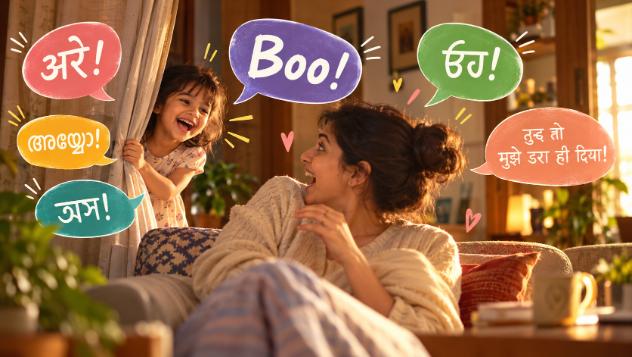
Picture this: you walk into your home, tired from a long day at work, and your five-year-old, with all the enthusiasm of a child, pops out from behind a curtain and says, ‘Boo!’ You are, no doubt, surprised. Do you remember the language in which you cried out loud? Would you say ‘Oh! You scared me!’ or ‘അയ്യോ! നിങ്ങൾ എന്നെ പേടിപ്പിച്ചു!’ or ‘अरे! आपने तो मुझे डरा ही दिया!’ or ‘ਓਹ! ਤੁਸੀਂ ਤਾਂ ਮੈਨੂੰ ਡਰਾ ਦਿੱਤਾ!’ or even ‘অস! তুমি মোক ভয় খুৱাইছিলা!’
The point I am making is that when we are under duress, surprised or shocked, we often turn to our mother tongues to express ourselves. Similarly, when we are extremely happy or sad, we want to speak the language of our heart – the language you spoke with parents, grandparents, aunts and cousins – not the Queen’s English that you learnt in school. Our mother tongues are our default settings – where we go when we have to explain a feeling or articulate an emotion.
With this insight, today at TheraTalk, we offer the possibility of conversations in 15 Indian languages. Think of the words that carry feeling for you. For many of us, it is not “I love you” or “I miss you” – it is the endearment our grandmother used, the scolding our mother gave that was really a hug, the teasing between cousins at a family wedding. Those words arrive with a whole world attached: the smell of the kitchen, the sound of a particular voice, the feeling of being completely at home, warm and safe.
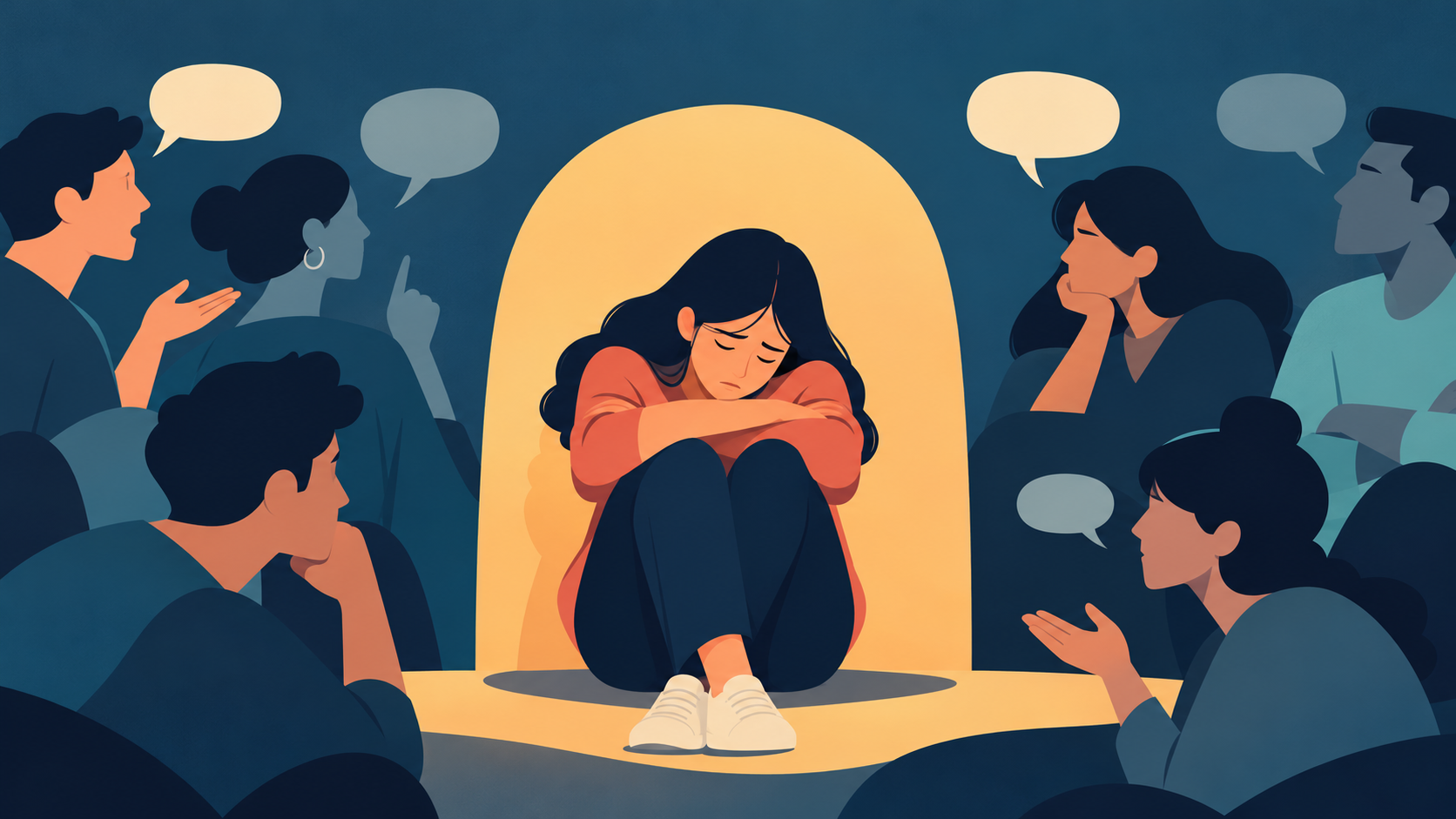
We want people who log in to TheraTalk to be able to express themselves and their feelings without having to go looking for words. The flow of conversation must be easy and familiar. Imagine trying to describe your deepest worry in a language that is not your own. You pause and search for the word. The word you choose could be close enough and yet may leave a little of the feeling behind. By the time you have found the right English phrase, the emotion has often cooled or been tidied up into something more presentable. Often, when we speak in English, we wonder if the person listening to us is judging us for our accent or choice of word. When someone is already struggling, this extra effort can be the very thing that makes them stay silent. They may think, “I can’t explain it properly,” and decide it is not worth trying.
I have seen how differently people open up when they have the opportunity to speak in the language they dream in. Their sentences become fuller, they become more animated and their pauses become more natural. Humour, which is often the first casualty of a second language, makes its way back into the conversation. And with that ease comes trust.
This is why language is not a feature for us at TheraTalk – it is the foundation, which brings along with it emotional support. This is meant to make people feel understood by meeting them where they are, in the words their hearts already know. 15 languages is a beginning. Behind each one are people who have been waiting to say, “This is how I truly feel”, and to be heard in the voice that feels like home.
So the next time you feel the need to talk, log in to TheraTalk and speak in the language that is closest to your heart. We are here, and we are listening.