
Someone told me the other day, in a tone that sounded shocked, that elderly people in China are paying younger people to spend time with them so that the elders have someone they can talk to. I feel like the person who was telling me about this missed a point. More than having someone to talk to, I believe that people are looking for someone to listen to them. This lack of someone to listen is reaching epic proportions, not just in China, but across the world; not just among older people, but among every age group, each grappling with a variety of life situations.
Why is having someone to listen to us so important?
As humans, we have a deep need to be acknowledged. At the most basic level, this need is satisfied when someone ‘sees’ us and understands the context of what we are talking about. If, for example, I received fantastic news about a job that I had got, but had no one to share this with, the joy of the achievement would dim, even if very slightly.
Now think of the opposite. Imagine sharing something that weighs you down, not something that could change the course of your life, but something simple. It could be a minor fight with a spouse or a child who left for college without breakfast, in a bad mood. Things like this tend to shake up our energy and make us feel a bit dull. Imagine if there were someone you could call, and the person across from you simply stayed with you. They’re not distracted by a device or barely waiting for you to finish before they tell their own story. Something in your energy softens, and you feel your taut shoulders relax. It is as if being heard and seen gives our own thoughts permission to settle.
Most of us tend to think that we are good listeners. In truth, however, much of our listening is really rehearsing. While the other person is still talking, we are already preparing our advice and our similar story, mostly to offer reassurance and a solution. After all, if the person was not seeking a solution, would they have reached out to me in the first place? I have caught myself doing this too, and it humbles me each time. Real listening asks for something harder: to stay with another person’s experience without hurrying to change it or make it better or different in the future.
In my work as a counsellor, I have seen again and again that people rarely need us to solve their problem. They mostly need to feel that it is safe to say it aloud, in a space that will not judge them. Often, once they have been heard, they find the answer and direction themselves.
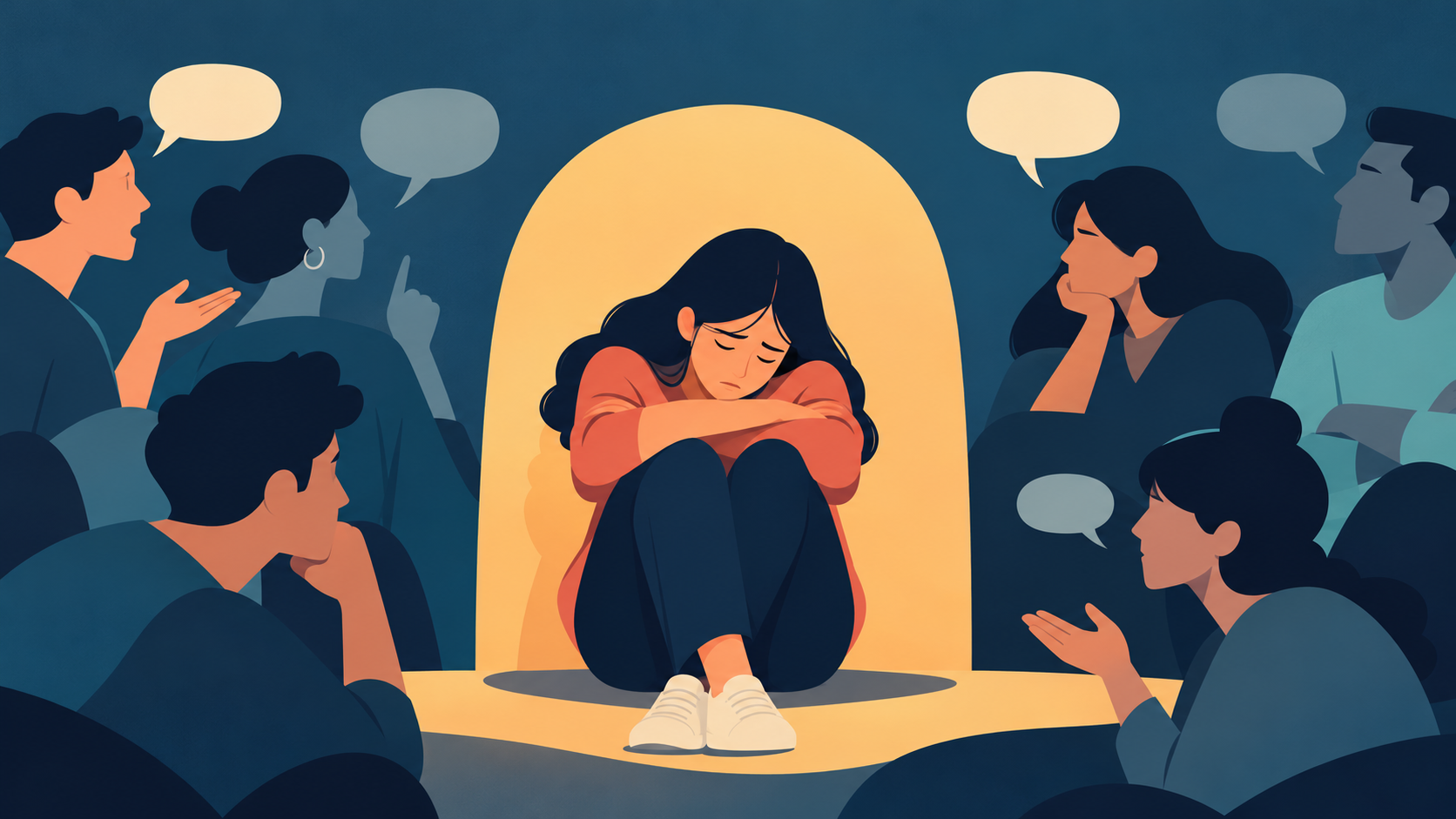
When we have no one to listen to us, we begin to edit ourselves and limit our expression. We tell people (and ourselves) that we are ‘fine’. We disregard the small disappointments and sadnesses, and over time, they harden into loneliness, irritability, or a sense of invisibility. This is true of the retired parent in a home that has become quiet and the young professional in a crowded office.
Perhaps that is why elders are paying for company. They are not simply buying conversation. They are buying the experience of being someone’s full attention for an hour or two.
The question for each of us, then, is not only ‘Who is listening to me?’ but also ‘Who have I truly listened to this week?’
- Written by Archana Muthappa, Co-Founder and Chief Wellbeing Officer at Soulsync Ventures